
Understanding Your Body
After 40: What Every Man Should Know
Your body changes with every decade — and knowing what to expect makes all the difference. Testosteroneaging is an editorial platform dedicated to helping men navigate age-related physical shifts with clarity, confidence, and evidence-informed insight.
Our Editorial Topics
We cover the full spectrum of physical and lifestyle changes that men commonly experience after 40. Browse by topic to find the articles most relevant to your journey.
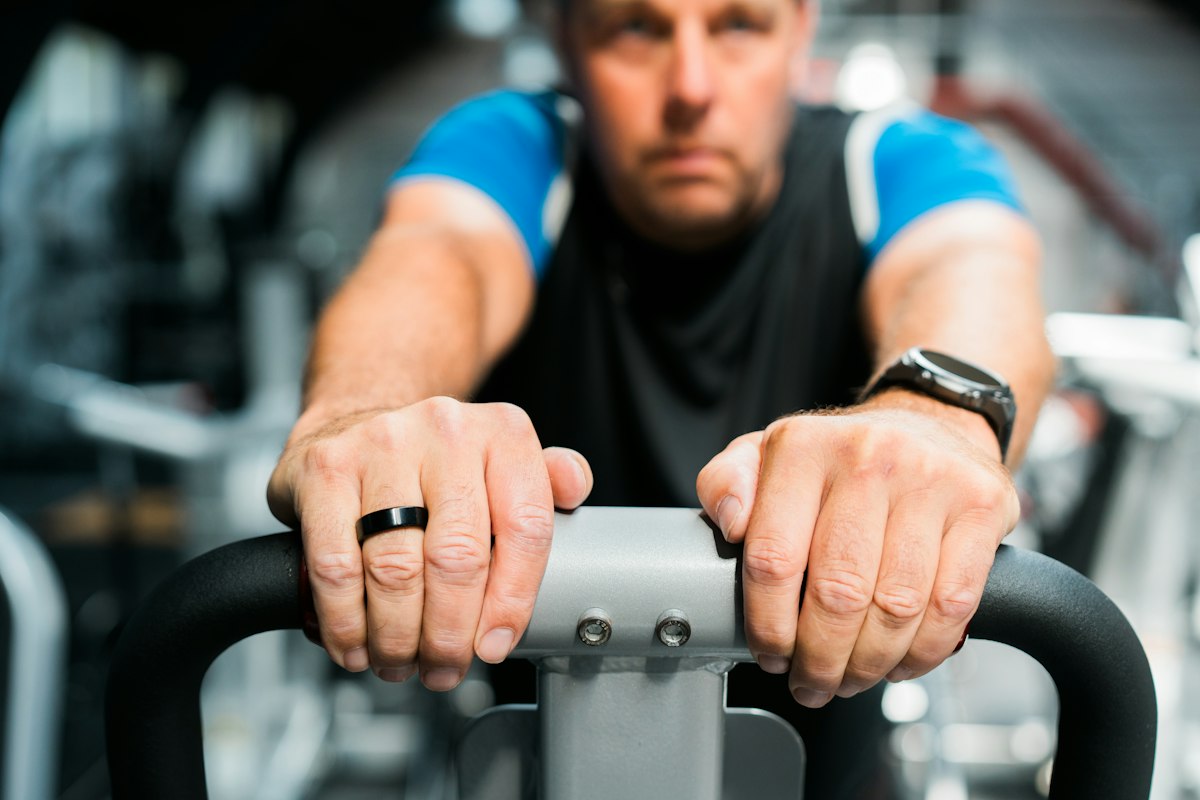 Energy & Vitality
Why Energy Levels Drop in Your 40s — And What the Research Says
Persistent tiredness after 40 is one of the most commonly reported changes among men. This article explores the physiological reasons behind declining daily energy, including shifts in cellular metabolism, hormonal regulation, and sleep architecture.
Read more Muscle & Strength
The Science of Muscle Loss After 40: Sarcopenia Explained
After the age of 40, men naturally begin to lose lean muscle mass at a gradual but measurable rate. This piece explains the biological mechanisms behind sarcopenia, how it affects strength and posture, and which lifestyle habits can slow its progression.
Read more Weight & Metabolism
Why Men Gain Belly Fat After 40 — Even Without Eating More
Abdominal fat accumulation is a common complaint among men entering middle age. This article unpacks how metabolic rate slows with age, why fat tends to redistribute toward the midsection, and what emerging nutritional research suggests about managing body composition.
Read more Sleep
How Sleep Architecture Changes as Men Age — And Why It Matters
Many men over 40 report waking up earlier, sleeping lighter, and feeling less refreshed despite spending hours in bed. This editorial deep-dive covers how deep-sleep stages shorten with age, why morning grogginess becomes more common, and practical habits to support sleep quality.
Read more Mental Wellness
Irritability, Low Motivation, and Mood Shifts: Normal Aging or a Signal?
Emotional changes in midlife are often dismissed or misunderstood. This article explores how hormonal fluctuations, lifestyle stress, and neurological shifts intersect to influence mood and motivation — and when it makes sense to seek professional support.
Read more Nutrition
Eating for Your Decade: How Nutritional Needs Shift After 40
The foods that fueled your 20s and 30s may no longer serve your body in the same way. This article reviews how protein requirements, micronutrient absorption, and gut health evolve with age — along with practical dietary adjustments that many men find helpful.
Read more Joints & Bones
Joint Stiffness and Bone Density: What Men Need to Know After 40
Morning stiffness and aching joints become increasingly familiar in midlife. This editorial overview explains how cartilage, joint fluid, and bone mineral density all shift with age, and what movement patterns and nutritional choices are associated with better skeletal health in later decades.
Read more Heart Health
Your Heart After 40: Cardiovascular Changes Men Should Be Aware Of
Cardiovascular health becomes an increasingly important part of wellness after the age of 40. This article outlines how the heart muscle and blood vessels change with age, common early warning patterns to be aware of, and evidence-based lifestyle practices that support long-term heart health.
Read more Skin & Hair
Skin Changes, Hair Thinning, and What Male Aging Actually Looks Like
From changing skin texture to shifting hair patterns, men's appearance evolves significantly across their 40s and 50s. This piece examines the biological reasons behind these visible changes, separates normal aging from concerning signals, and reviews how daily habits influence your body's outer presentation.
Read moreHow Hormonal Decline Reshapes Strength, Energy, and Mood
Around the age of 40, men begin experiencing a gradual decline in key hormones that have governed their physical performance and emotional balance since puberty. Unlike the relatively abrupt hormonal shift women experience, this male transition is slower and often goes unnoticed for years — until the cumulative effects become impossible to ignore.
The physical consequences range from reduced grip strength and slower recovery after exercise to changes in body fat distribution and a noticeable dip in day-to-day drive. What makes this transition complex is that it doesn't happen in isolation: shifting hormones interact with sleep quality, nutritional status, stress levels, and activity patterns in ways that researchers are still mapping.
Our editorial team pulls together the latest research so you can understand what your body is signaling — and make informed decisions in conversation with the health professionals who know you best.
Read the Full Guide
Physical Changes Decade by Decade
Men's bodies follow a recognizable arc of change. Understanding what typically happens across your 40s, 50s, and 60s removes the anxiety of the unknown and helps you plan intelligently for each stage.
Your 40s: The Transition Decade
The 40s are where most men first notice meaningful physical shifts. Recovery from exercise takes longer, mid-section fat becomes more stubborn, and sleep quality may start to feel lighter. Energy fluctuations throughout the day become more pronounced, and mild stiffness in joints — particularly in the mornings — begins appearing. These changes are entirely normal and reflect the body's shifting hormonal and metabolic baseline.
Your 50s: The Adaptation Decade
By the 50s, the physical changes of the previous decade have become more established. Lean muscle mass continues to decrease gradually, cardiovascular efficiency shifts, and many men notice that the same exercise routines they once relied on produce different results. Bone density changes become more relevant, and mood stability can be more variable. This decade rewards men who have adopted sustainable movement and nutritional habits — and offers a strong incentive to start for those who haven't.
Your 60s: The Wisdom Decade
The 60s mark a stage where accumulated lifestyle choices truly show their impact. Men who have maintained physical activity and nutritional awareness often report higher overall wellbeing scores than peers who have been sedentary. Cardiovascular and metabolic health become central priorities. Joint care, flexibility, and balance become key pillars of a sustainable movement practice. Research consistently shows that this decade is not too late — in many cases, positive change is remarkably achievable.
Signs Worth Watching — And Signs That Are Simply Normal
Not every change requires action, but some signals genuinely deserve attention. Our editorial team has compiled a practical two-column framework to help you orient yourself.
Signs Worth Discussing With a Professional
-
Sudden, rapid weight changes
Gradual shifts are typical; rapid unexplained loss or gain — especially without lifestyle change — merits professional evaluation.
-
Persistent chest discomfort or breathlessness
Cardiovascular function changes with age, but recurring chest pressure or unusual shortness of breath during mild exertion should not be dismissed.
-
Prolonged low mood or apathy
While mood variation is normal, persistent emotional flatness lasting several weeks — especially with withdrawal from activities you enjoy — is worth exploring.
-
Extreme fatigue unrelated to activity
Feeling tired after a heavy week is normal. Bone-deep fatigue that doesn't improve with rest over weeks may point to something worth investigating.
Normal Changes That Don't Require Alarm
-
Slower recovery after exercise
Needing an extra day between intense workouts is a well-documented aspect of aging muscle physiology — not a sign of declining fitness. Adjust your recovery strategy accordingly.
-
Morning joint stiffness that eases up
Brief stiffness in joints that loosens after 20–30 minutes of gentle movement is a common feature of aging connective tissue, not necessarily a cause for concern.
-
Mild forgetfulness for names or words
Occasionally struggling to recall a name or find the right word is a normal part of cognitive aging and differs from the progressive memory loss associated with dementia.
-
Slower recovery after exercise
Needing an extra day or two to recover from a hard workout is expected as testosterone and growth hormone levels naturally decline with age.
-
Reduced heat and cold tolerance
Aging skin and a less efficient vascular system make it harder to regulate body temperature, so feeling colder in winter or more uncomfortable in heat is typical.
-
Gradually thinning hair
Hair follicles shrink with age and hormonal shifts, leading to thinner strands. Unless hair loss is rapid or patchy, this gradual thinning is a normal aging process.
Warning Signs to Address
-
Persistent chest pain or pressure
Chest discomfort, tightness, or pressure—especially during exertion—is never a normal part of aging and warrants immediate medical evaluation for cardiovascular issues.
-
Sudden or severe memory loss
Forgetting recent conversations, getting lost in familiar places, or experiencing personality changes goes beyond normal aging and should be evaluated for dementia or other neurological conditions.
-
Unexplained significant weight lossDid you know?
Losing more than 5–10% of body weight without trying can signal serious underlying conditions including cancer, thyroid disorders, or gastrointestinal disease.
-
Extreme fatigue that doesn't improve with rest
While mild tiredness is common, profound exhaustion that persists regardless of sleep may indicate anemia, thyroid dysfunction, heart disease, or severe hormonal imbalance.
-
Difficulty breathing during routine activities
Shortness of breath while doing things that used to be easy—like walking up stairs—may indicate heart or lung disease and should be assessed promptly.
-
New or changing skin lesions
Moles or spots that change in size, shape, or color, or any new growth that bleeds or doesn't heal, should be evaluated by a dermatologist for potential skin cancer.